
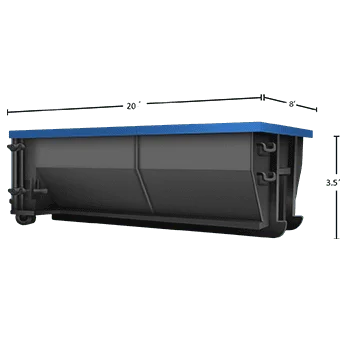
A container delivered for the loading job
A roll-off container is placed for loading and later retrieved by its collection vehicle. Ask which available container suits the material and amount of debris, along with any loading feature the job needs. Confirm the usable loading arrangement and allowed material for the container actually offered.
Describe heavy materials and mixed loads separately. Confirm what can be combined, the permitted load and the loading conditions before work begins. If the project changes, ask about the new material rather than assuming the original acceptance covers it.
Keep the rental load distinct from other waste services
Easton’s household collection arrangements are not the same as private hauling for every commercial or larger residential property. A project dumpster needs its own material agreement; ordinary curbside guidance does not automatically define what the rental can take.
Keep uncertain chemicals, batteries, oils and similar products out of an unconfirmed load. Pennsylvania DEP points households to appropriate hazardous-material and recycling routes and cautions against mixing leftover products. Confirm the proper handling route for the specific item; a roll-off enquiry is not a hazardous-waste collection booking.
Make loading and removal part of the order
Choose a position that remains accessible while debris is being accumulated and when the vehicle returns. Discuss the surface and nearby obstructions with the rental team. Do not move the container or change its agreed location independently.
Ask when to request collection, what happens if the work takes longer and how an exchange or additional load is arranged. Keep the address, contact and material description consistent in the enquiry. Review the container, load conditions, hire period and removal as one service offer before confirming.